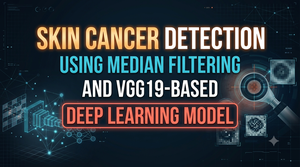


Skin Cancer Detection Using Median Filtering and VGG19-Based Deep Learning Model
1. Introduction Skin cancer is one of the most common types of cancer worldwide, and early detection plays a crucial role in improving patient survival rates. Traditional diagn...
$ 99.00
Quality Guaranteed
Reviewed project files and clear structure.
24/7 Support
Reach us anytime for setup and usage help.
Instant Access
Download your files right after checkout.
Source Included
Code, assets, and project-ready materials included.
About This Product
Skin Cancer Detection Using Median Filtering and VGG19-Based Deep Learning Model
1. Introduction
Skin cancer is one of the most common types of cancer worldwide, and early detection plays a crucial role in improving patient survival rates. Traditional diagnosis methods rely heavily on dermatologists, which can be time-consuming and subjective. With the advancement of deep learning and computer vision, automated systems can assist in detecting skin cancer from images.
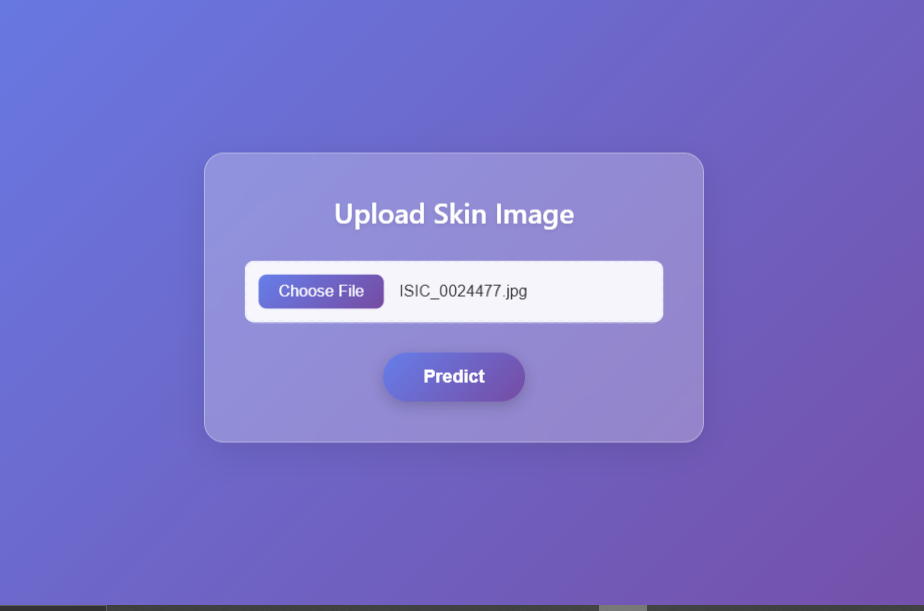
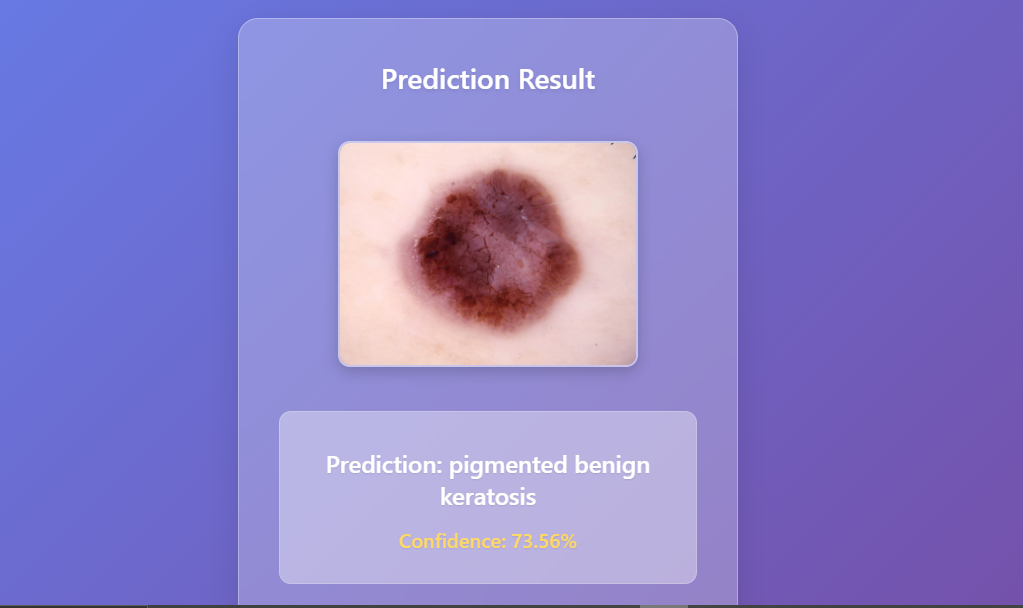
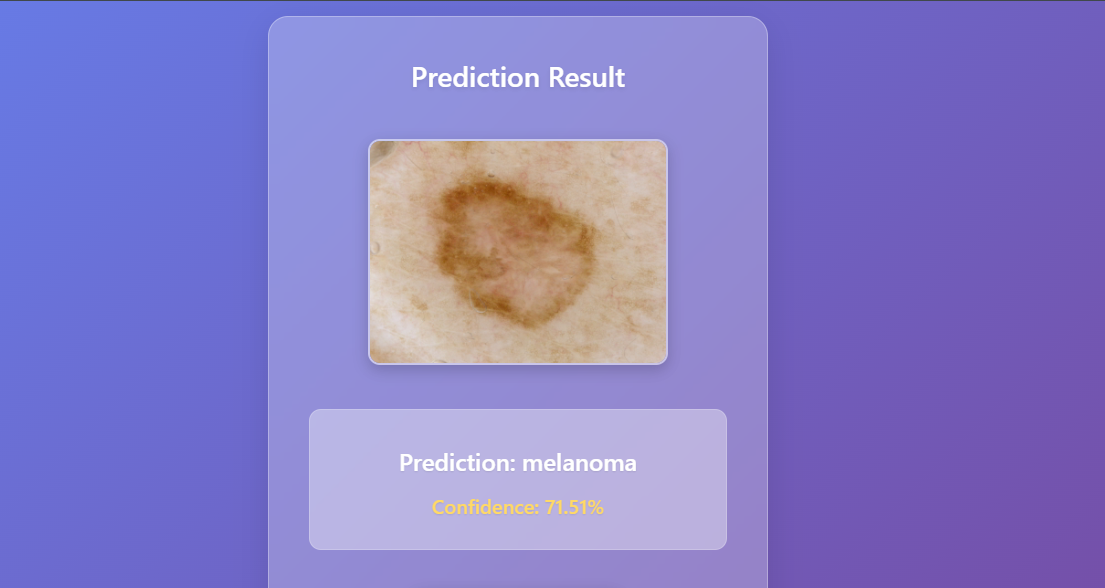
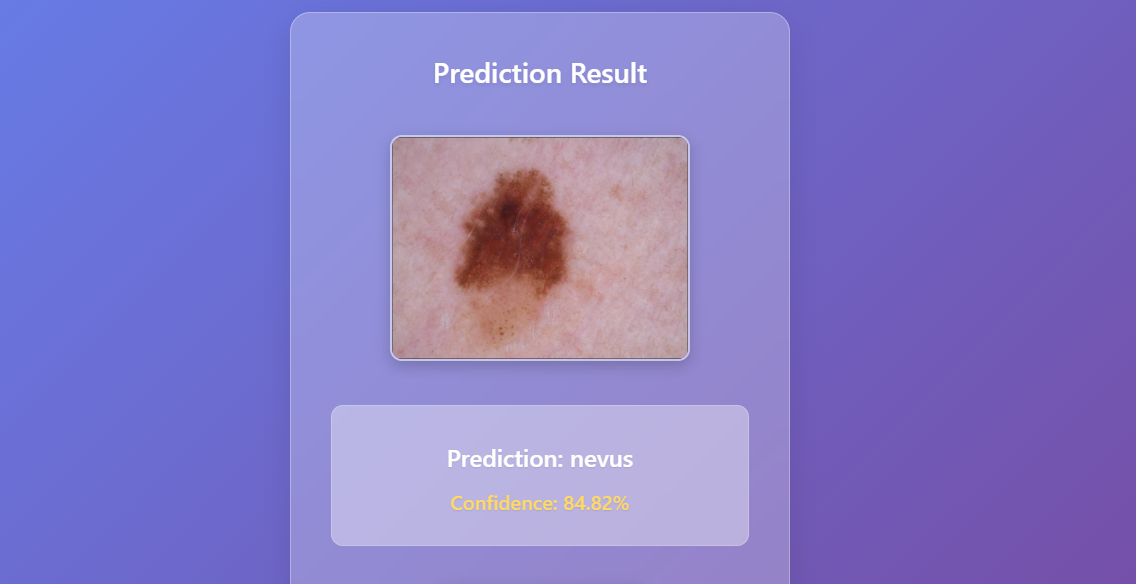
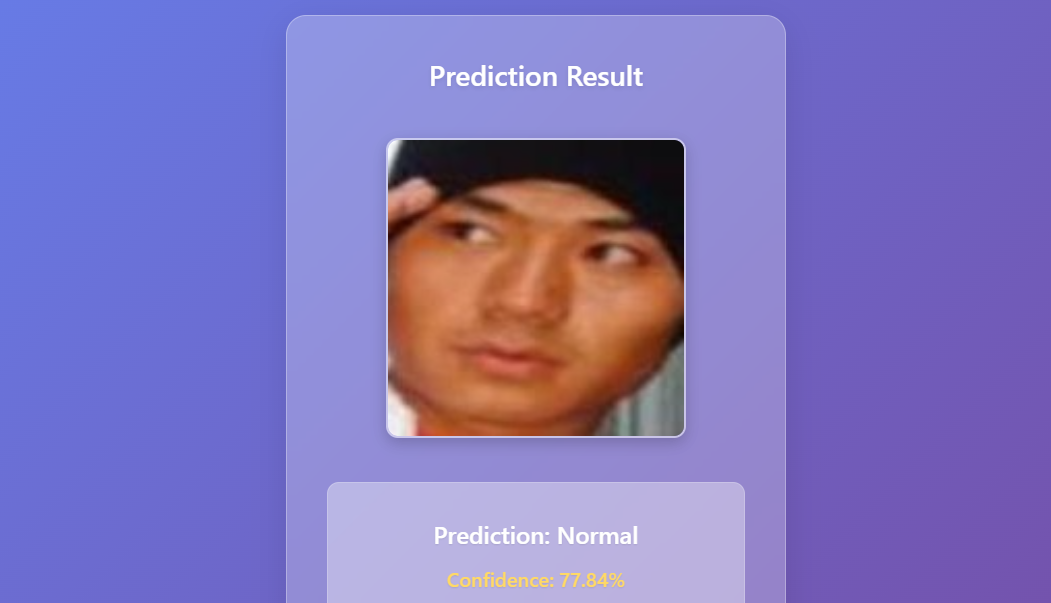
This project presents a web-based skin cancer detection system using a Convolutional Neural Network (CNN), specifically the VGG19 model, integrated with a Django framework. The system allows users to upload skin images and receive predictions along with confidence scores.
2. Problem Statement
Manual diagnosis of skin cancer:
- Requires expert knowledge
- Time-consuming
- Prone to human error
There is a need for:
- Automated detection system
- Fast and accurate classification
- Easy-to-use web interface
Hence, the problem is to design a system that can classify skin lesions into multiple classes using image data.
3. Proposed Method
The proposed system uses a deep learning-based image classification approach:
- Dataset of skin images is collected
- Images are preprocessed (resize, normalization)
- A CNN model (VGG19) is trained
- Model learns features like texture, color, and patterns
- User uploads image through Django web app
- Model predicts class with confidence score
4. Input and Output Specifications
Input:
- Skin lesion image (JPEG/PNG)
- Image size: resized to 224×224
Output:
- Predicted class:
- Normal
- Melanoma
- Nevus
- Pigmented Benign Keratosis
- Confidence score (%)
5. Methodology
The system follows these steps:
- Data Collection
- Skin lesion images collected from dataset
- Preprocessing
- Resize images to 224×224
- Normalize pixel values (0–1)
- Model Training
- VGG19 CNN used
- Trained on labeled dataset
- Model Saving
- Best model stored for future use
- Web Integration (Django)
- User authentication (login/signup)
- Image upload interface
- Prediction Phase
- Uploaded image preprocessed
- Passed to trained model
- Prediction generated
- Result Display
- Output shown on web page
6. Novelty and Contribution
·Integration of deep learning with web application (Django)
·User-friendly interface for non-technical users
·Multi-class classification of skin lesions
·Real-time prediction system
·Scalable architecture for future improvements
7. Expected Outcomes
·Accurate classification of skin diseases
·Faster diagnosis compared to manual methods
·Easy accessibility via web interface
·Improved awareness and early detection
8. Conclusion
This project demonstrates the effectiveness of deep learning techniques in medical image analysis. By integrating a CNN model with a Django-based web application, the system provides an efficient and user-friendly solution for skin cancer detection. The proposed system can assist medical professionals and users in early diagnosis, thereby improving healthcare outcomes.
9. References
1.Simonyan, K., & Zisserman, A. (2015).Very Deep Convolutional Networks for Large‑Scale Image Recognition. International Conference on Learning Representations (ICLR)
2.Esteva, A., Kuprel, B., Novoa, R. A., Ko, J., Swetter, S. M., Blau, H. M., & Thrun, S. (2017). Dermatologist‑level classification of skin cancer with deep neural networks. Nature, 542(7639), 115–118.
3.Tajbakhsh, N., Shin, J. Y., Gurudu, S. R., Hurst, R. T., Kendall, C. B., Gotway, M. B., & Liang, J. (2016).Convolutional Neural Networks for Medical Image Analysis: Full Training or Fine Tuning?IEEE Transactions on Medical Imaging, 35(5), 1299–1312.
4.Codella, N. C. F., Rotemberg, V., Tschandl, P., Celebi, M. E., Dusza, S., Gutman, D., et al. (2019).Skin Lesion Analysis Toward Melanoma Detection 2018: A Challenge Hosted by the International Skin Imaging Collaboration (ISIC) arXiv preprint arXiv:1902.03368.
5.Litjens, G., Kooi, T., Bejnordi, B. E., Setio, A. A. A., Ciompi, F., Ghafoorian, M., et al. (2017). A survey on deep learning in medical image analysis Medical Image Analysis, 42, 60–88.
Backend Programming Language
Python
Backend Web Framework
Django
Frontend Structure
HTML
Frontend Styling
CSS
No reviews available for this product.